 By mrtwinsvlog@gmail.com
Legal Text for Notice of Termination of Freelance Agreement: A Comprehensive Guide
Terminating a freelance agreement can be a tricky process, requiring careful attention to legal details. Whether you’re a freelancer or a client, understanding the essential elements of a termination notice is crucial. In this guide, we’ll walk you through the process of drafting a legally sound termination notice, outline common challenges, and offer actionable tips to ensure a smooth exit.

Understanding the Fundamentals
The legal text for a notice of termination of a freelance agreement is a crucial document that formally ends the working relationship between a freelancer and a client. It is essential to follow the proper legal format to avoid potential disputes or liabilities. The foundation of a termination notice lies in clarity, transparency, and adherence to contract terms.
Freelance contracts often come with specific clauses regarding termination, such as the duration of notice, the conditions for termination, and any compensation due upon termination. A legal text for termination ensures that both parties can formally close their working relationship in a fair and lawful manner, preventing misunderstandings.
1.1 The Importance of a Clear Contract
A well-drafted freelance contract is the first step in a successful termination process. The contract should clearly outline the terms of termination, including notice periods, conditions, and dispute resolution procedures. Without such clarity, the termination process can become contentious, leading to legal challenges or financial penalties.
For instance, some freelance agreements may allow termination without cause, while others require a valid reason. These terms should be outlined from the start to ensure both parties understand their rights and obligations. Additionally, including a termination clause with a clear notice period—often 30 days—helps avoid abrupt endings.
1.2 The Role of Communication
While a formal notice is important, clear communication between the freelancer and client is equally crucial. Both parties should ideally have a conversation before the termination notice is issued, discussing the reasons behind the decision. This prevents surprises and can help resolve any potential conflicts amicably.
For example, if a freelancer is dissatisfied with the terms of their contract, it’s better to communicate this before resorting to termination. On the other hand, a client who decides to end the agreement should ensure they provide the freelancer with the necessary information and reasoning behind the decision.
Practical Implementation Guide
Now that we understand the basic principles of a termination notice, let’s move on to how to implement them effectively. Here, we will discuss actionable steps for drafting a legal notice and address common issues that may arise during the termination process.
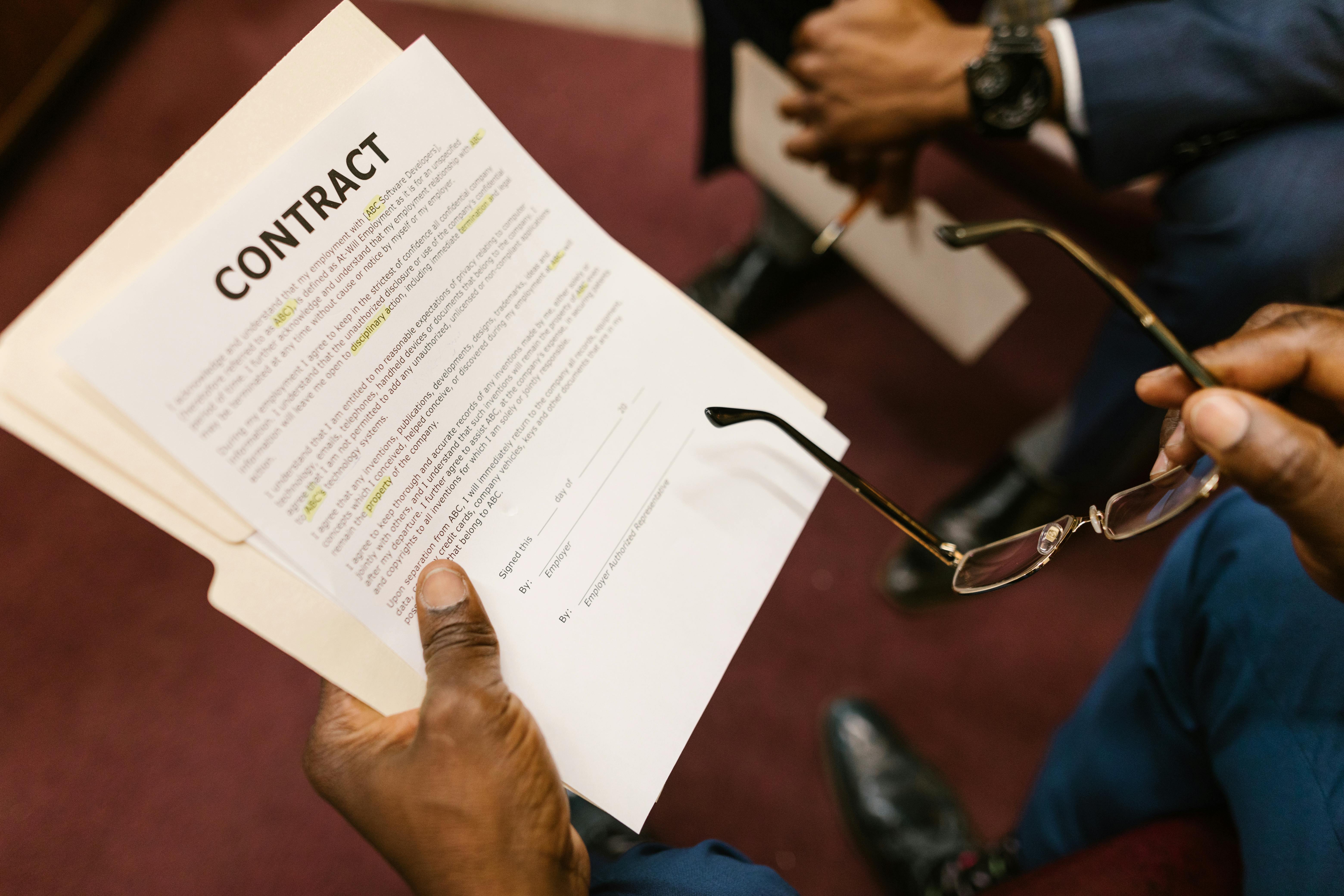
2.1 Actionable Steps
- Step 1: Review the Contract: Before drafting the notice, ensure you review the freelance agreement thoroughly. Look for the termination clause, including the notice period and any conditions that must be met for the termination to be valid.
- Step 2: Draft the Termination Notice: Write a formal letter that clearly states your intention to terminate the agreement. Include the effective date of termination and reference any relevant clauses from the contract. Be professional and to the point.
- Step 3: Send the Notice: Ensure the termination notice is delivered in a manner that provides proof of receipt. This could be via certified mail, email with a read receipt, or another verifiable method. Keep copies of all communications for your records.
2.2 Overcoming Challenges
While drafting and sending a notice of termination is straightforward, challenges often arise during the process. Common issues include disputes over the notice period, disagreements about payment for services rendered, and lack of clarity in the contract terms.
For example, if the freelancer hasn’t received full payment for completed work, they might hesitate to terminate the agreement. In this case, it’s crucial to reference payment clauses in the contract to ensure all due amounts are settled. Similarly, clients may face difficulties if the freelancer refuses to acknowledge the termination notice, so it’s important to keep records of all communications.
Advanced Applications
Once you have mastered the basics of drafting a termination notice, you may need to explore more complex aspects, such as negotiating terms or handling legal challenges. These advanced techniques can help you navigate the termination process effectively, especially in cases where the relationship has become contentious.

3.1 Negotiating Termination Terms
In some cases, both parties may want to negotiate the terms of the termination to avoid a legal dispute. This is common when there are concerns about intellectual property, pending payments, or confidentiality agreements. A negotiated termination allows both parties to agree on the terms that best suit their interests.
For example, if the freelancer is working on a project that has ongoing deliverables, they may wish to negotiate an early termination with the understanding that they will still be compensated for their time spent. This can prevent legal issues related to breach of contract and help preserve professional relationships.
3.2 Dealing with Legal Disputes
If a dispute arises after sending a termination notice, both parties may need to explore legal options, such as mediation or arbitration. If the contract includes a dispute resolution clause, it will specify how these issues should be handled. Having a lawyer review your termination letter before sending it can also help protect your interests.
Future Outlook
The future of freelance agreements is likely to involve more standardized terms and clearer termination procedures as the freelance economy continues to grow. Legal technology tools are becoming more accessible, allowing freelancers and clients to automate many aspects of their contracts, including termination notices.
As a result, freelancers and clients will be able to navigate the termination process more efficiently and avoid many of the common pitfalls that currently arise. Understanding these changes and preparing for a more streamlined future will be key to success in the freelance market.
Conclusion
In conclusion, drafting a legal text for the notice of termination of a freelance agreement is a vital skill for both freelancers and clients. By understanding the basics, applying practical steps, and considering advanced techniques, you can ensure a smooth and legal termination process.
If you’re ready to draft your own notice, start by reviewing your contract and following the steps outlined above. With the right knowledge and approach, you can protect your rights and move forward with confidence in your freelance career.
Frequently Asked Questions
- Q: What should be included in a freelance termination notice? A termination notice should include the reason for termination, the effective date, and any relevant clauses from the original agreement.
- Q: How do I handle a situation where the freelancer refuses to accept the termination? It’s essential to send the termination notice through a verifiable method, such as certified mail, and keep copies for proof.
- Q: How long does it take to process a termination notice? The notice period usually depends on the contract terms but often ranges from 14 to 30 days. Adjust the timeline based on your agreement.
- Q: Are there any financial obligations when terminating a freelance agreement? Depending on the contract, you may be required to pay the freelancer for work completed before termination. Review the terms regarding payment for unfinished projects.
- Q: What happens if the freelancer breaches the contract before the termination notice? In such cases, the freelancer may be liable for damages based on the breach of contract. It’s important to address this issue before sending the termination notice.
- Q: Is a termination notice legally binding? Yes, a properly drafted termination notice is legally binding and should be executed according to the terms of the freelance contract.
- Q: How can I prevent issues with termination in future contracts? To avoid future issues, always include a clear termination clause in the contract, outlining the notice period, conditions, and payment terms.